
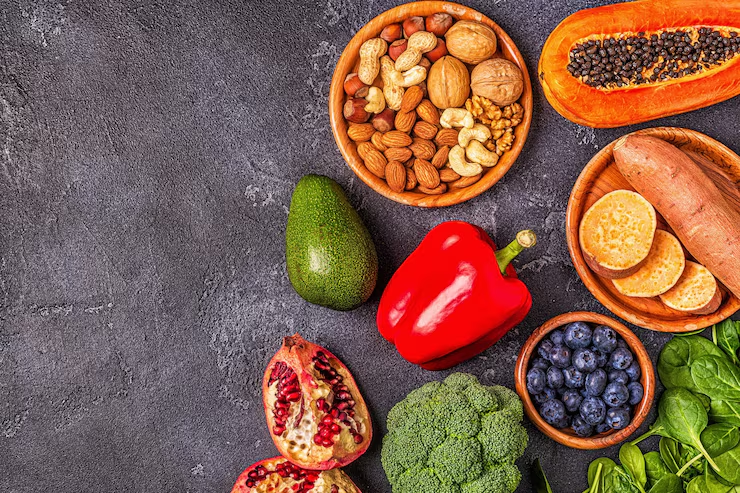
Nutrient-Rich Foods That Contribute to Steady Daily Vitality
Food plays a central role in providing the nutrients needed for everyday life. While energy levels depend on many factors, certain foods are commonly associated with supporting natural vitality due to their nutritional composition. Incorporating a variety of nutrient-rich foods into daily meals can contribute to overall dietary balance.
Whole grains are often highlighted as an important source of complex carbohydrates. Foods such as oats, quinoa, brown rice, and whole grain bread provide carbohydrates along with fiber and other nutrients. These components can help support gradual digestion and contribute to sustained energy availability throughout the day.
Fruits and vegetables are another essential part of balanced nutrition. They provide vitamins, minerals, and plant compounds that support many normal bodily processes. Colorful produce such as berries, leafy greens, carrots, and citrus fruits can add both flavor and nutritional variety to daily meals.
Protein-rich foods also contribute to balanced energy support. Examples include beans, lentils, fish, eggs, poultry, tofu, and dairy products. Protein helps support tissue maintenance and contributes to feelings of fullness after meals.
Healthy fats are another valuable component of a well-rounded diet. Foods such as nuts, seeds, avocados, and olive oil contain fats that support various bodily functions. Including moderate amounts of these foods in meals may contribute to overall dietary balance.
Legumes such as chickpeas, black beans, and lentils offer a combination of plant-based protein, fiber, and carbohydrates. Because of this nutrient combination, they are often included in balanced meals designed to provide lasting nourishment.
Dairy products and dairy alternatives can also contribute to nutrient intake. Milk, yogurt, and fortified plant-based beverages may provide calcium, protein, and other essential nutrients that support overall health.
Another important consideration is food variety. Consuming a wide range of foods helps ensure that the body receives different nutrients needed for normal functioning. Rotating ingredients and trying new foods can make meals more enjoyable while also contributing to balanced nutrition.
Simple meal combinations can often provide a wide range of nutrients. For example, a bowl of whole grain rice with vegetables and beans, a salad with nuts and grilled chicken, or yogurt topped with fruit and oats can offer a variety of nutritional components in a single meal.
Cooking methods may also influence nutritional quality. Preparing foods through methods such as steaming, baking, grilling, or sautéing can help preserve the natural characteristics of many ingredients. These approaches can be used to create flavorful meals while maintaining balanced nutrition.
It is also helpful to consider overall lifestyle habits. Nutrition works together with sleep, physical activity, and stress management to support everyday vitality. When these elements are balanced, individuals may feel better prepared to handle daily responsibilities and activities.
Ultimately, there is no single food that determines energy levels or overall vitality. Instead, consistent patterns of balanced eating that include a variety of nutrient-rich foods may help support general well-being over time. By focusing on simple, wholesome ingredients and practical meal choices, people can develop sustainable habits that contribute to everyday health.